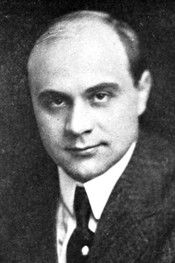
Oscar Apfel
Biography
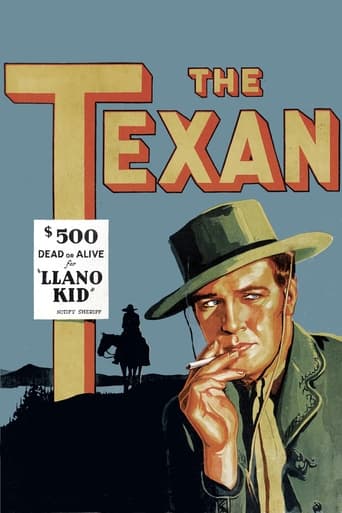
Oscar C. Apfel (January 17, 1878 – March 21, 1938) was a multifaceted American figure in the early film industry, known for his work as an actor, director, screenwriter, and producer. Over the course of his career, he contributed to 167 films between 1913 and 1939 and directed 94 films from 1911 to 1927.
Born in Cleveland, Ohio, Apfel initially pursued a career in business before shifting his focus to the performing arts. He made his professional debut in 1900 in Cleveland and quickly gained recognition, eventually becoming the youngest stage director in the United States. His Broadway tenure lasted more than a decade, after which he transitioned to the burgeoning film industry by joining the Edison Manufacturing Company.
Apfel's directorial work began in earnest with Thomas A. Edison, Inc. in 1911-12, during which he created the groundbreaking short film "The Passer-By" (1912). He also engaged in experimental filmmaking at Edison's laboratory, contributing to the development of Edison Talking Pictures technology.
As time went on, Apfel shifted his focus back to acting, leaving a lasting mark on both sides of the camera. His life came to an untimely end on March 21, 1938, in Hollywood due to a heart attack, but his contributions to cinema remain significant in the history of American film.
Filmography
View all
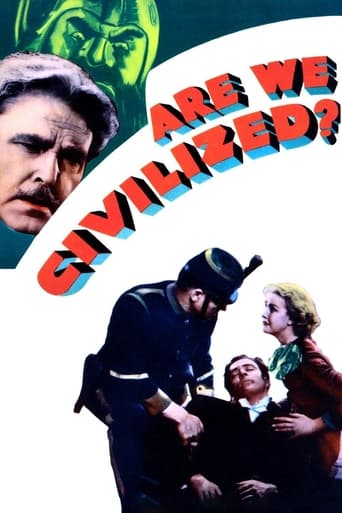
Are We Civilized?
1934 • Dr. Leonard Gear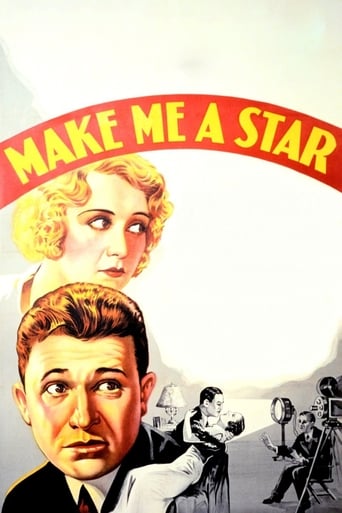
Make Me a Star
1932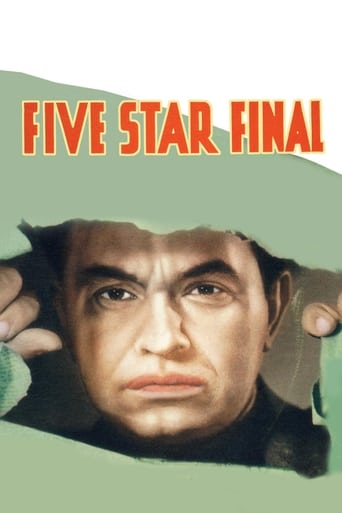
Five Star Final
1931 • Bernard Hinchecliffe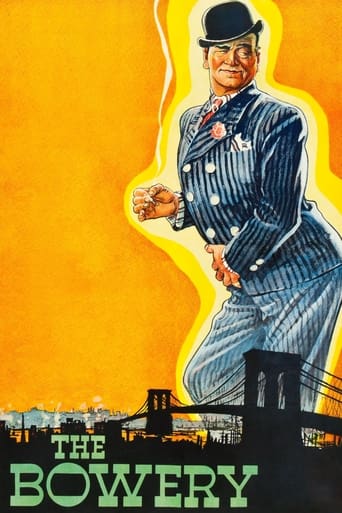
The Bowery
1933 • Ivan Rummel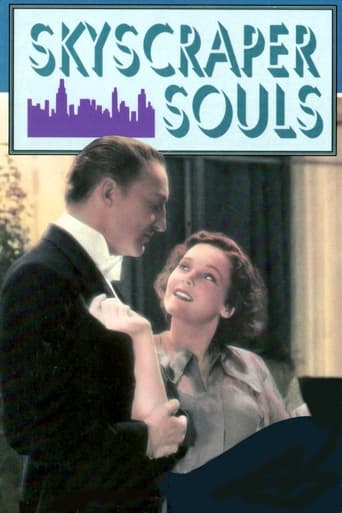
Skyscraper Souls
1932
36 Hours to Kill
1936
You Said a Mouthful
1932 • Armstrong (uncredited)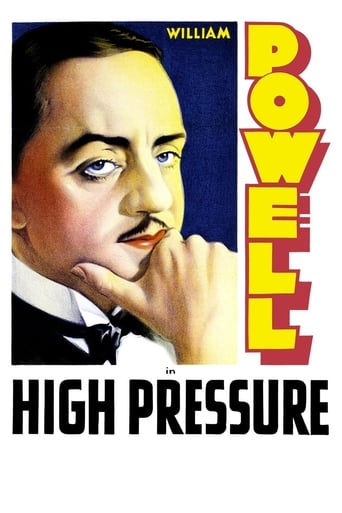
High Pressure
1932 • Mr. Hackett
Whirlpool
1934 • Editor
Crack-Up
1936
The Man Who Played God
1932 • Appleby - the Lip Reader
State's Attorney
1932
Man on the Flying Trapeze
1935 • President Malloy
I Dream Too Much
1935
Sidewalks of New York
1931 • Judge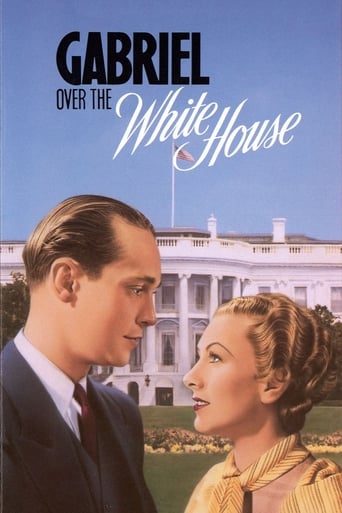
Gabriel Over the White House
1933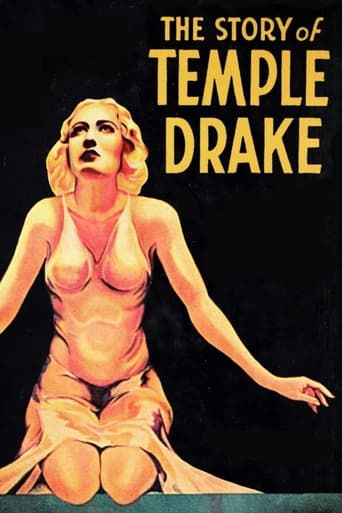
The Story of Temple Drake
1933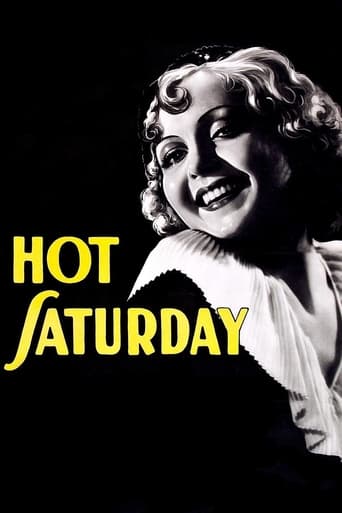
Hot Saturday
1932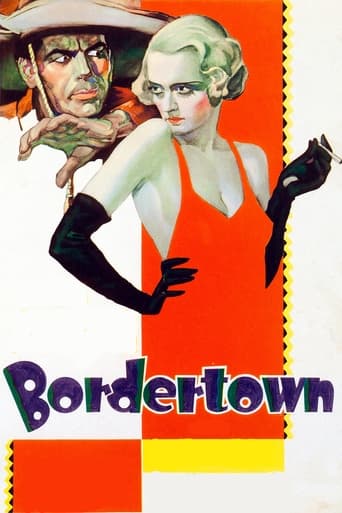
Bordertown
1935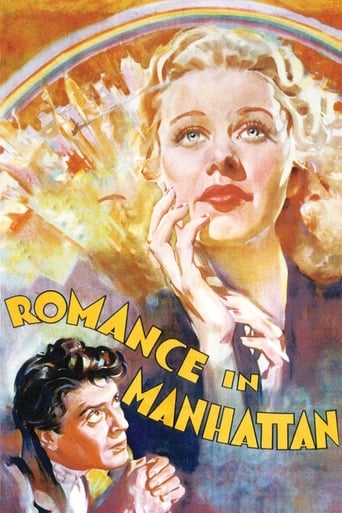
Romance in Manhattan
1935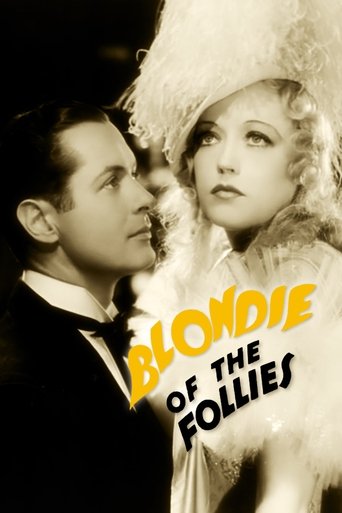
Blondie of the Follies
1932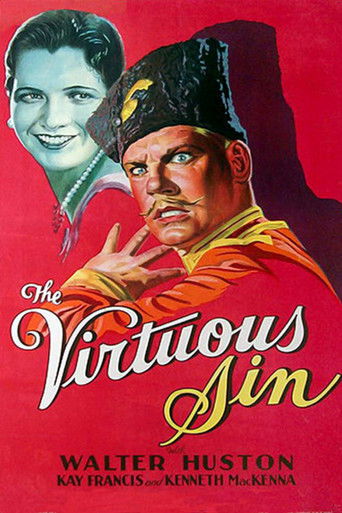
The Virtuous Sin
1930 • Ivanoff