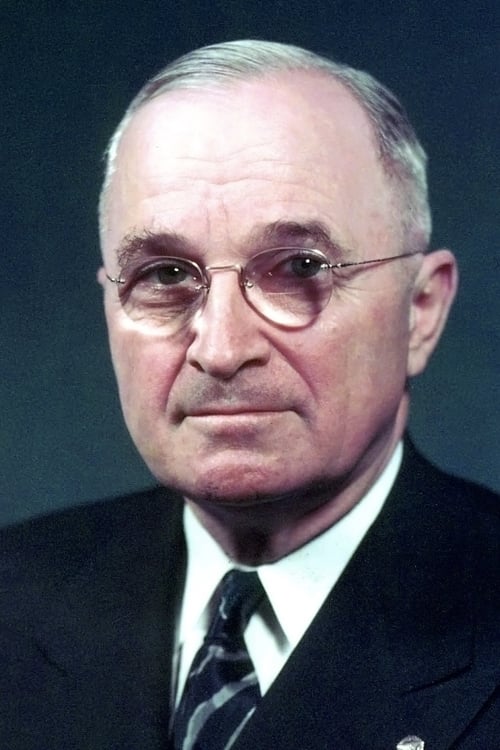
Harry S. Truman
Biography
Harry S. Truman, the 33rd President of the United States, held office from 1945 to 1953. A prominent figure in the Democratic Party, Truman initially took on the role of Vice President under Franklin D. Roosevelt, serving from January until April 1945. His political career began earlier when he was elected as a United States Senator from Missouri, a position he held from 1935 until he assumed the vice presidency.
Truman's presidency is marked by significant events and decisions that shaped the post-World War II landscape. He is perhaps best known for his decision to use atomic bombs on Hiroshima and Nagasaki, which played a crucial role in the conclusion of the war. His administration also witnessed the establishment of the Truman Doctrine, aimed at containing communism, and the Marshall Plan, which facilitated the reconstruction of Europe after the war.
Additionally, Truman's commitment to civil rights was notable; he desegregated the armed forces and supported the establishment of the President's Committee on Civil Rights. After leaving office, Truman remained active in public life and continued to influence the Democratic Party. His legacy is remembered for its pivotal role in shaping modern American foreign policy and advancing civil rights initiatives.
Filmography
View all
Hearts and Minds
1974 • Self (archive footage)
Winston Churchill: A Giant in the Century
2014
White Light/Black Rain: The Destruction of Hiroshima and Nagasaki
2007
The Corporation
2003
When the Wind Blows
1986 • Self (archive footage)
The Propaganda Game
2015 • Self (archive footage)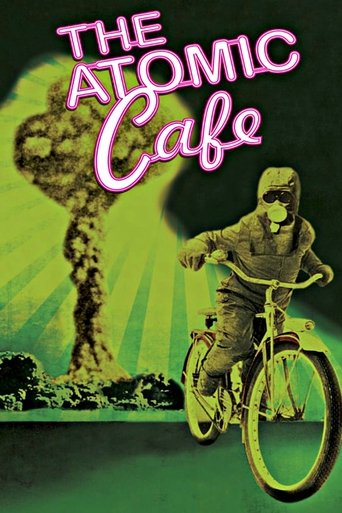
The Atomic Cafe
1982 • Self (archive footage)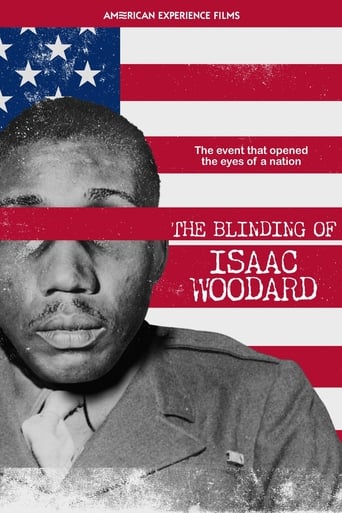
The Blinding of Isaac Woodard
2021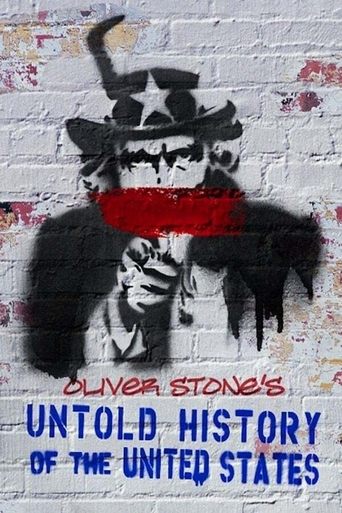
Oliver Stone's Untold History of the United States
2012 • Self (archive footage)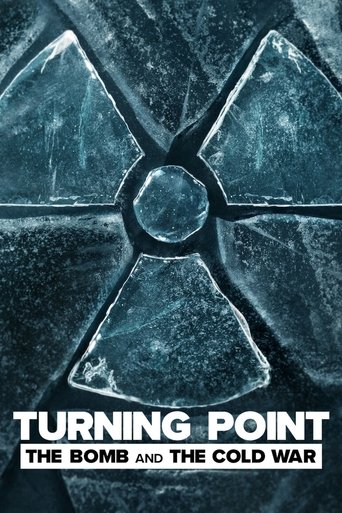
Turning Point: The Bomb and the Cold War
2024 • Self (archive footage)